

5 Ways to Protect Yourself from Card Skimmers
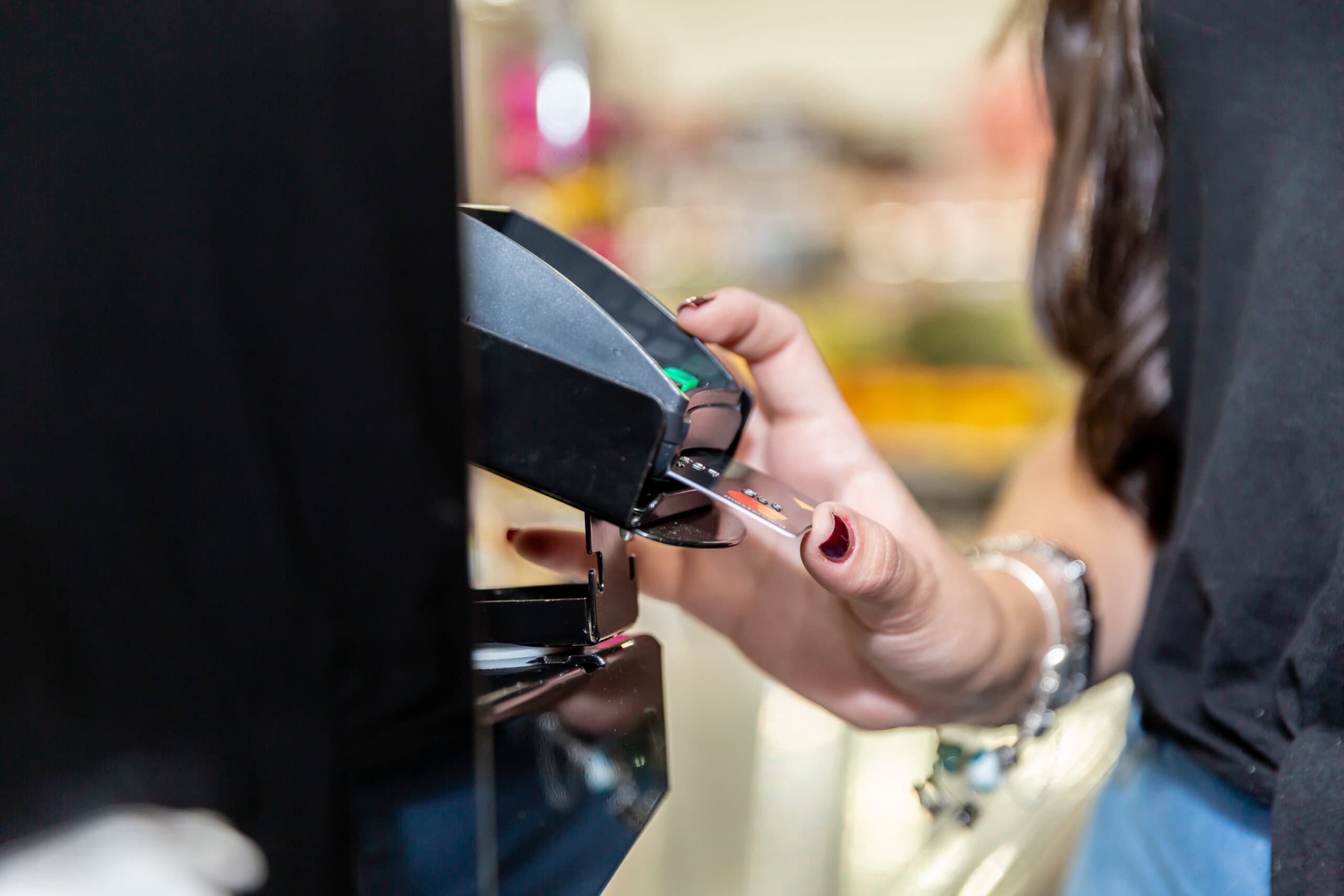
Authorities nationwide say they’ve noticed an uptick in “skimmers,” illegal deices meant to look like point-of-sale card readers.
Skimmers are designed to steal your credit card or debit card information in seconds, often without you realizing it. They’ve been found on gas pumps, ATMs, and even self-checkout kiosks at major retailers. The good news: a little vigilance can keep your finances safe. Here are 5 tips to protect your card info.
1. Give it a physical threat assessment.
Before inserting your card, give the reader a firm tug. Real card slots are securely integrated into the machine’s housing, while skimmers are often attached using light glue or double-sided tape. If the bezel wiggles, feels loose, or looks unusually bulky, walk away.
On gas pumps, look for the manufacturer’s security tape across the cabinet door. If a thief has opened the pump to install an internal skimmer, the label will be broken, torn, or read “VOID.” If the seal is compromised, report it to the attendant immediately.
Skimmers often come with hidden cameras or extra keypad overlays used by crooks to capture PINs. Look for tiny holes or oddly thick keypads. If something looks added on, don’t use that machine.
2. Chose secure locations.
Whenever possible, use ATMs or payment terminals inside banks, airports, or busy stores. Criminals are less likely to tamper with machines in well-monitored, high-traffic areas.
3. Shield your PIN.
Criminals frequently pair skimmers with hidden pinhole cameras to record your hand movements. Get into the habit of using your free hand to completely shield the keypad from above while typing your PIN, even if they keypad looks normal. If the keys feel spongy or unusually thick, you might be pressing a fake keypad overlay.
4. Opt for contactless and chip payments.
The easiest way to beat a skimmer is to avoid the magnetic stripe reader altogether. Magnetic data is static and easily cloned. EMV chips and contactless methods (like tap-to-pay cards or mobile wallets) use tokenization, generating a one-time cryptographic code that cannot be reused by thieves. These payment methods are quickly gaining popularity, and for good reason.
5. Monitor your accounts.
Check your bank and credit card statements regularly for unfamiliar charges. You can set alerts for unusual account activity, which can help catch fraud quickly.
Staying alert doesn’t require paranoia—just a moment of awareness before you swipe, dip, or tap. Criminals rely on speed and distraction, but a sharp eye and these tips can help ensure you don’t get skimmed. You can find out more about how to keep your money and data safe by subscribing to the Money Mill Blog.